Different Uses for Commercial Property
Commercial property is an important part of the real estate market. It supports businesses, creates jobs, and generates income for property owners. Unlike residential real estate, commercial property is mainly used for business activities and profit generation. Understanding the different uses for commercial property can help investors, landlords, and entrepreneurs choose the right type of space for their goals.
Below are the most common types of commercial property uses and how they benefit different industries.
Office Commercial Property
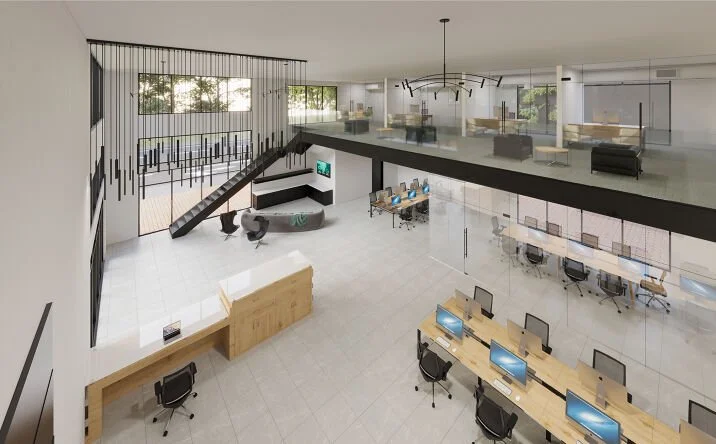
Office buildings are widely used by companies for daily business operations. These properties include small office units, business parks, and large corporate towers. Office spaces are often used by law firms, tech companies, marketing agencies, and financial services.
Modern office properties now focus on flexible layouts, meeting rooms, and shared workspaces. A good office location can improve employee productivity and attract more clients.
Retail Commercial Property
Retail commercial properties are designed for selling products and services directly to customers. Examples include shopping malls, strip malls, standalone stores, and retail plazas. These spaces rely on high foot traffic and good visibility.
Retail tenants often include clothing stores, grocery shops, pharmacies, restaurants, and electronics stores. Well-located retail properties usually perform better because customers prefer easy access and parking availability.
Industrial Commercial Property
Industrial properties are used for manufacturing, storage, and distribution. This category includes warehouses, factories, fulfillment centers, and logistics hubs. The growth of online shopping has increased demand for industrial real estate.
These properties often need large open spaces, high ceilings, loading docks, and access to major highways. Businesses that ship products or handle bulk inventory depend heavily on industrial commercial spaces.
Hospitality Commercial Property
Hospitality commercial properties serve travelers and tourists. This group includes hotels, resorts, motels, and extended-stay accommodations. Income is generated through room rentals, events, and additional services such as dining and conferences.
Location is very important for hospitality properties. Areas near airports, business districts, beaches, and tourist attractions usually attract more guests and higher occupancy rates.
Mixed-Use Commercial Developments
Mixed-use properties combine more than one function in a single development. A common example is a building with retail shops on the ground floor, office spaces in the middle, and residential units on top.
These developments create convenience for tenants and visitors. Mixed-use commercial property is popular in urban areas because it improves land use efficiency and supports walkable communities. Investors also benefit from having multiple income sources in one property.
Healthcare Commercial Property
Healthcare facilities are another major use of commercial property. This includes medical offices, clinics, diagnostic centers, dental practices, and urgent care facilities. These properties require special design features such as accessibility standards and medical equipment space.
Healthcare tenants often sign long-term leases, which provides steady income for property owners. Demand for healthcare commercial real estate continues to grow due to population growth and aging communities.
Educational and Institutional Property
Some commercial properties are used for education and institutional purposes. These include private schools, training centers, research facilities, and nonprofit offices. These spaces usually need classrooms, large halls, or specialized work areas.
Although profit margins can vary, institutional tenants often stay long term and value stable locations.
Conclusion
Commercial property offers many different uses, including offices, retail stores, industrial facilities, hospitality spaces, healthcare centers, and mixed-use developments. Each type serves a unique purpose and meets specific business needs. By understanding the different uses of commercial real estate, investors and business owners can make smarter decisions, reduce risks, and improve long-term returns. Whether you plan to buy, lease, or develop property, knowing how commercial spaces are used will help you build a stronger investment strategy.