How to Sell a Multi-Family Property: A Step-by-Step Guide
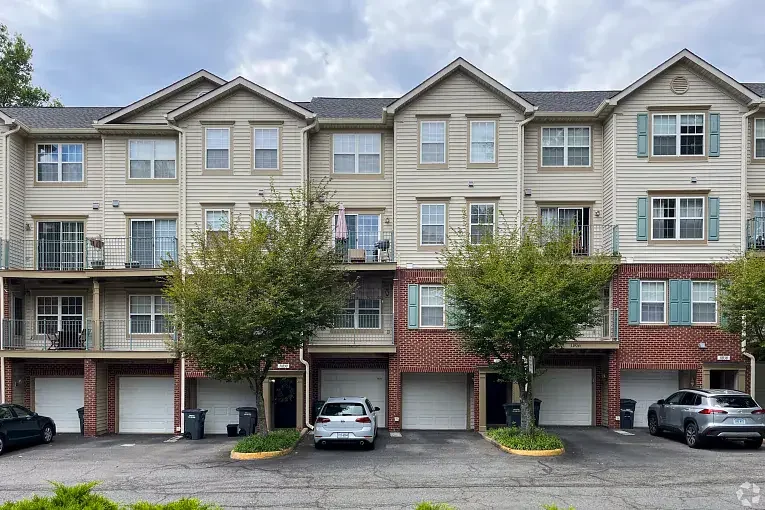
Selling a multi-family property is different from selling a single-family home. Buyers are usually investors who care about income, expenses, and long-term value. Whether you own a duplex, triplex, or apartment building, following the right steps can help you sell faster and get a better price.
This guide explains how to sell a multi-family property in a simple and effective way.
Understand the Value of Your Property
Before you list your property, you need to know how much it is worth. Multi-family properties are valued based on income, not just size or location.
Buyers look at rental income, operating expenses, vacancy rate, and net operating income. You can hire a professional appraiser or work with a real estate agent who specializes in investment properties. They can help you set a competitive asking price.
Pricing your property correctly attracts serious buyers and prevents your listing from sitting on the market too long.
Prepare Your Financial Documents
Investors want clear financial information. Having organized records makes your property more appealing and speeds up the selling process.
Prepare the following documents:
Rent roll with tenant names and monthly rent
Lease agreements
Maintenance and repair records
Utility bills and operating expenses
Property tax and insurance statements
Accurate records show buyers that your property is well-managed and profitable.
Improve Property Appearance and Condition
Even investment buyers care about property condition. A clean and well-maintained building creates a strong first impression.
Focus on simple improvements such as cleaning common areas, repainting walls, fixing leaks, repairing broken doors or windows, and trimming landscaping. Make sure safety features like smoke detectors and lighting work properly.
You do not need expensive upgrades. Small repairs and basic maintenance can increase buyer interest and property value.
Decide If You Will Sell With Tenants
You can sell a multi-family property with tenants living in the units or after units become vacant.
Selling with tenants allows buyers to see immediate rental income. This is attractive to investors who want cash flow right away. However, some buyers prefer vacant units so they can renovate or raise rents.
If you sell with tenants, communicate clearly and respect lease agreements. Cooperative tenants make showings and inspections easier.
Choose the Right Selling Method
There are several ways to sell a multi-family property. You can list with a real estate agent, use a commercial broker, or sell directly to investors.
An agent who specializes in multi-family properties can help you market to qualified buyers and negotiate better terms. They also understand how investors analyze deals.
Professional photos, detailed listings, and income summaries improve your chances of attracting serious buyers.
Market Your Property Properly
Strong marketing is important when selling a multi-family property. Your listing should highlight both the building and its income potential.
Include these details in your listing:
Number of units and unit layouts
Monthly and annual rental income
Operating expenses
Neighborhood information
Nearby transportation, schools, and shopping
Potential for rent increases or upgrades
Clear and honest information builds trust and helps buyers make quick decisions.
Prepare for Negotiations
Most buyers will negotiate before closing. They may ask for a lower price, repair credits, or better terms.
Before negotiations begin, decide your lowest acceptable price and which terms you are willing to adjust. Common negotiation points include closing costs, inspection repairs, and closing timelines.
Staying flexible while protecting your profit helps deals move forward smoothly.
Complete Inspections and Buyer Due Diligence
After accepting an offer, the buyer will inspect the property and review financial records. This step is called due diligence.
Make sure all units are accessible and utilities are working. Provide requested documents quickly and answer buyer questions honestly. Fix minor issues when possible to avoid delays.
Transparency during this stage reduces the risk of contract cancellations.
Close the Sale Correctly
The final step is closing the transaction. This includes signing paperwork, transferring ownership, paying off any remaining mortgage, and receiving your sale proceeds.
Work with a real estate attorney or title company to ensure all documents are accurate. Review the closing statement carefully before signing.
Once closing is complete, hand over keys, leases, and property records to the new owner.
Conclusion
Selling a multi-family property takes planning, organization, and the right strategy. By pricing your property correctly, preparing financial records, improving property condition, and marketing to the right buyers, you increase your chances of a successful sale.
With the proper approach, you can sell your multi-family property faster, attract better offers, and maximize your return on investment.